 Back to Main Menu




How to revise for maths: key tips for student success
Learn how to revise for maths with effective revision techniques, useful resources, past papers and practical tips for GCSE and A-level exams.
This article is written for students to help them with their revision.

Exam season is always a testing time for students. No matter whether you’re approaching GCSEs or taking on additional maths and core maths, the best way of overcoming exam anxiety is to make sure you’re fully prepared. This means having a clear schedule and a plan for how to tackle revision.
So what can you do to make this as easy as possible? Here are a few effective study methods for maths you can try to make sure you head into the exam hall with confidence.
Essential maths revision resources
While notes and other materials from lessons are important when revising maths, they’re far from the only resources available. Taking advantage of online, mobile and paper options will help you go into your exams as prepared as possible.
Textbooks
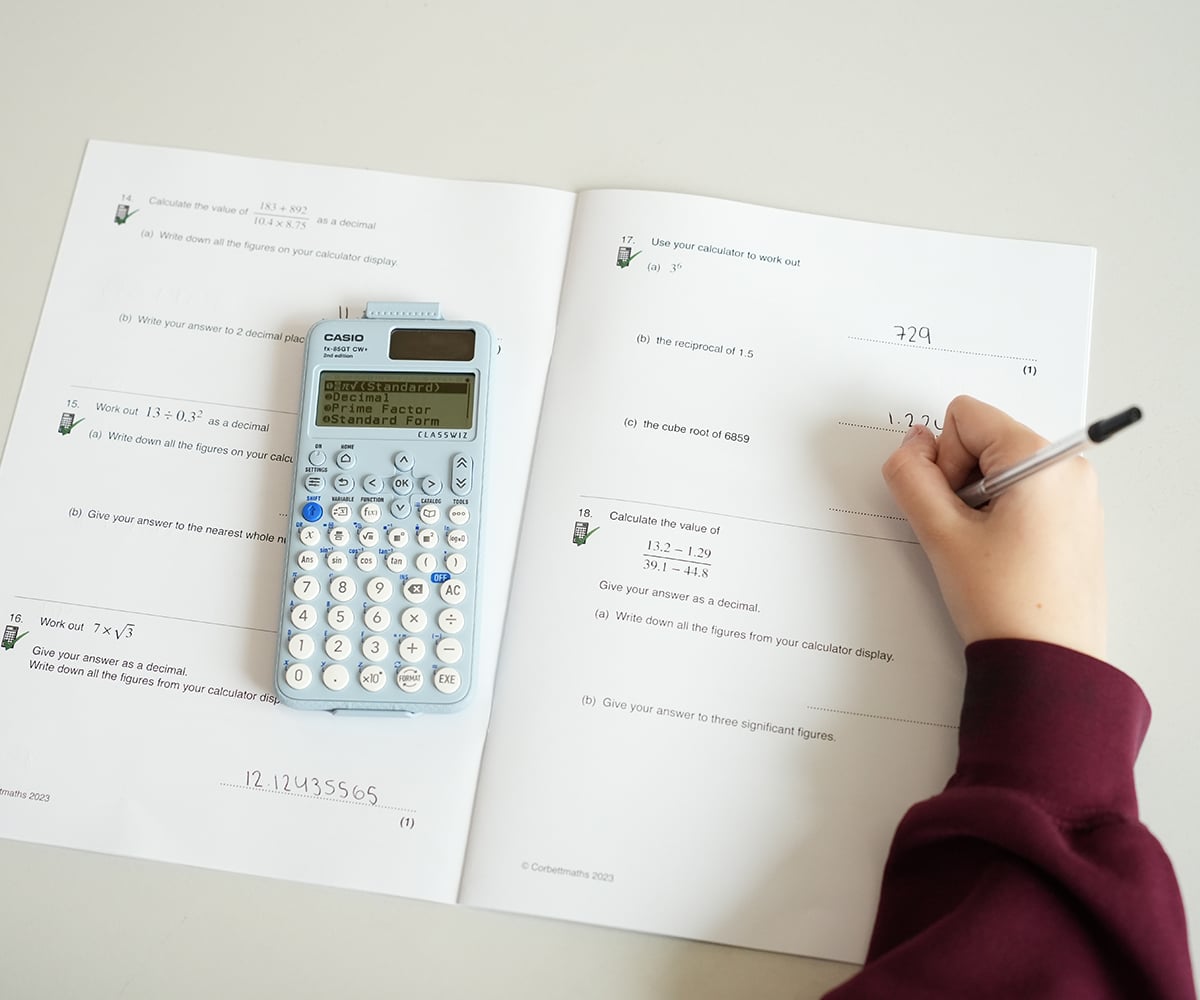
Textbooks remain a great way to help with revision. A good resource should include practice questions to help put what you’re revising into action and end-of-chapter summaries that condense topics into key points.

Video tutorials
Video tools can be hugely helpful in visualising problems and making the process of solving them easier. They’re particularly useful for getting your head around more complex topics, often breaking down difficult concepts into clear, easy-to-understand steps. They can also help ensure you’re familiar with all the features of your calculator that you’ll need to use during exams.
We’ve got lots of How To videos on the Casio YouTube channel that can help you understand how to use our devices and make the most of both graphic calculators and scientific calculators.
Also on YouTube, we highly recommend Bicen Maths, which is run by former secondary school teacher Seb Bicen. He’s an expert we’ve worked with closely who focuses on Edexcel A-level maths and further maths. His lessons are recorded live, helping you to achieve that real teaching experience when watching them.
You can also check out these other YouTube channels for free, easy revision help:
The GCSE Maths Tutor
3minutemaths
Maths Genie
corbettmaths

Useful interactive apps for maths revision
Multimedia online tools are a great way to make maths more fun, and there are a range of apps out there to help revision by making it interactive. They can help with visualising equations and probabilities, problem-solving and practice tests. By including interactive problem-solving tools, games and simulations in your revision, you can see how maths can be applied to real-world problems.
There are also a range of online resources that offer help with everything from real-world examples of maths to how to make the most of your calculator. Some popular apps to try include:
BBC Bitesize
Arc Maths
Quizlet
EdPlace
Gojimo
Effective maths revision techniques
Everyone learns in different ways, so there’s no single answer to the question of how best to revise. However, most people will be able to benefit from the below techniques.

Practice past papers
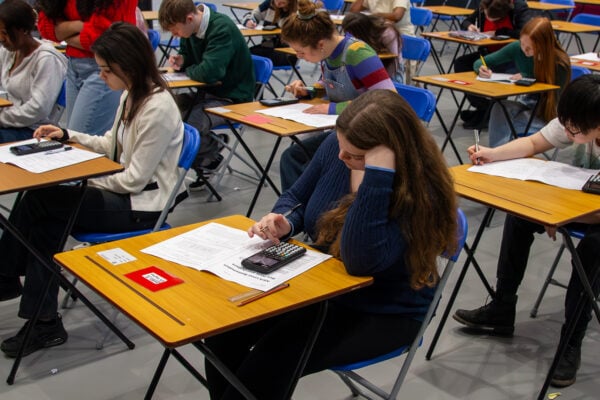
Past papers are an ideal way to get a feel for what to expect in the exam and the types of questions that will be asked. This means you won’t face any surprises in the real thing. As well as just reviewing previous questions, try to simulate exam conditions by giving yourself a time limit and removing distractions. This way, you’ll know how long you should be spending on each section.
In addition to attempting questions, familiarise yourself with the mark schemes and examiner reports. These documents can help you to understand how best to approach questions and demonstrate your mathematical knowledge. There are many places to find these resources online, but one of the best is Maths Genie, which has mark schemes, worked solutions and videos.
Create a study schedule
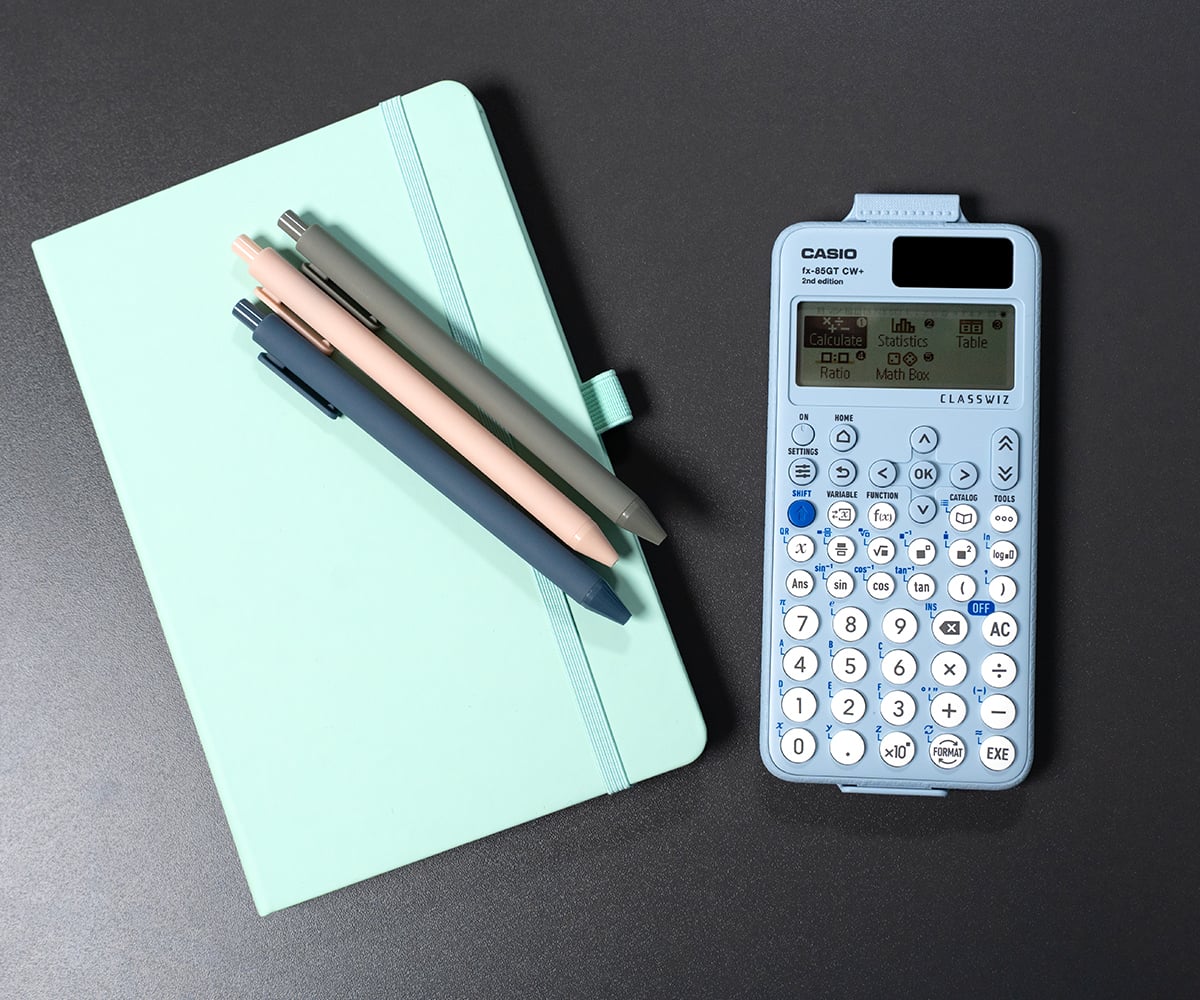
Creating and then sticking to a clear revision schedule is a great way to manage the different topics and use your time more efficiently.
Things to try include:
• Create a schedule as early as possible
• Set daily and weekly goals
• Use the Pomodoro technique (set a 25 minute timer for studying, then take a short break)
Use active learning strategies
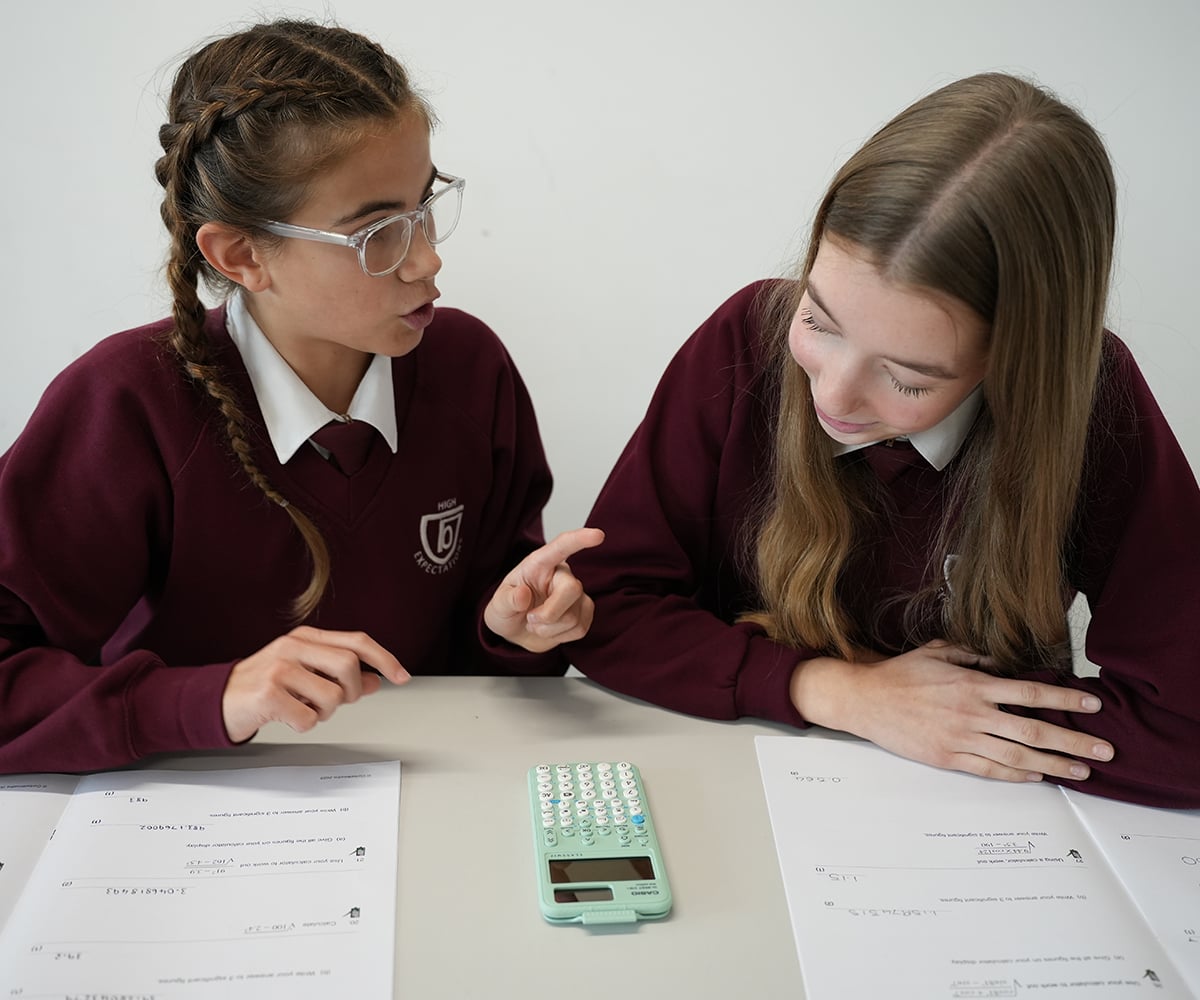
Active learning strategies break away from simply reading and memorising notes, getting your brain engaged with the material and helping what you learn to sink in.
Techniques include:
• Flash cards
• Using your calculator during revision
• Quizzing yourself
• Working with friends to revise together

Using your calculator as a revision tool
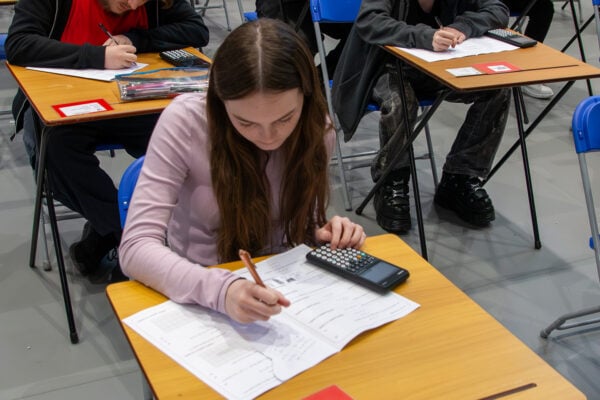
Your calculator can be a useful part of effective maths revision, rather than something you only pick up during an exam. When working through past-paper questions, use it to check answers after completing the maths yourself, helping you identify mistakes and areas that need more practice.
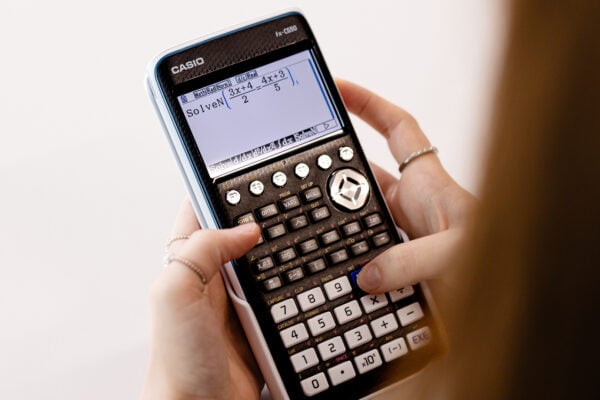
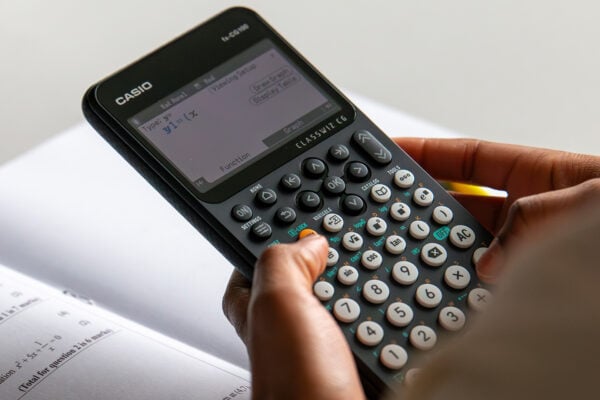
You can also use features on calculators such as the fx-991CW+ UK to support active revision. Try using equation-solving tools to check your working, or revisit previous calculations to test whether you can reproduce the correct method independently.
Becoming familiar with your calculator during revision also means you can use its features more confidently and efficiently when exam day arrives.

Common pain points in maths revision and how to overcome them
Most of us will come across a few common challenges when trying to revise. However, if you know what these issues are likely to be and have a plan in place to deal with them, you can make sure they don’t disrupt your exam prep.
Anxiety and stress management
It’s perfectly normal to feel anxious about exams, and intensive revision can sometimes make people even more stressed. It’s really helpful to be mindful of this when studying and have a few techniques that you can turn to if you feel overwhelmed.
Things to try include:
• Taking frequent breaks
• Using relaxation techniques such as breathing exercises
• Eating, drinking and sleeping well
• Rewarding yourself for milestones
• Not going it alone
Time management issues
Among the hardest parts of revision is managing your time. It’s one thing to create a careful revision calendar, with times for each subject and breaks built in, but sticking to it can be easier said than done. If you find your mind wandering, try these ideas to stay focused:
Revise early and often
• Make a list of topics and prioritise them
• Don’t do too much at once – take frequent breaks
• Set clear goals for each revision session
• Start with the most challenging topics rather than putting them off

Final tips for successful maths revision
Good planning is essential to make your maths revision work for you. Creating a clear schedule, with time set aside for the areas you feel need the most focus, is the best way to make sure you can go into your exams with confidence.
Also, consider mixing up how you learn. As well as working through textbooks and past papers, try online and mobile resources such as revision apps, videos and interactive exercises. Using a variety of methods can help keep your revision engaging and give you different ways to approach topics you find difficult.
Finally, remember, maths revision isn’t a sprint – pace yourself and don’t be afraid to step away if you need a break or you’re getting stressed. Follow these tips and you should be able to head into your next maths exam as prepared as you can be and ready to take on the questions. Good luck!
FAQs
There’s no single ideal amount. A realistic revision schedule with shorter, regular sessions is usually more effective than cramming. Focus on the topics you find hardest and build up your revision as exams approach.
Use active recall rather than simply rereading formulae. Try writing them from memory, using flashcards and applying them to practice questions to make sure you understand when and how to use them.
Absolutely. Your calculator can help you check answers, investigate problems and practise the functions you’ll need in calculator-permitted exams. Regular use also helps you become faster and more confident with it.
Yes. Past-paper revision helps you practise applying your knowledge to exam-style questions, understand how topics are assessed and identify gaps that need more work. Try completing questions before checking the mark scheme.
The best maths revision techniques combine active practice with regular review. Work through questions, use past papers, test yourself and revisit weaker topics rather than relying solely on reading notes or watching tutorials.
Blog
- Exams
- Graphing technology
- Scientific calculators
- Curriculum
- Classroom
- Students




Common mistakes in A-level statistics: probability distributions
Read more
Which Casio calculator does your class need?
Read more
Probability: key challenges and how calculators can help
Read more
Ratio: why is it such a challenge and how can a calculator help?
Read more
Moflin at MEI: how Casio’s AI companion is finding a place in the classroom
Read more
Which Casio calculator does your class need?
Read more
Probability: key challenges and how calculators can help
Read more
Ratio: why is it such a challenge and how can a calculator help?
Read more
Results day: supporting students with their next steps
Read more
Best A-level combinations: a comprehensive guide
Read more
Why is year 7 the perfect time to introduce scientific calculators?
Read more