Back to Main Menu




Why familiar tools matter in maths learning

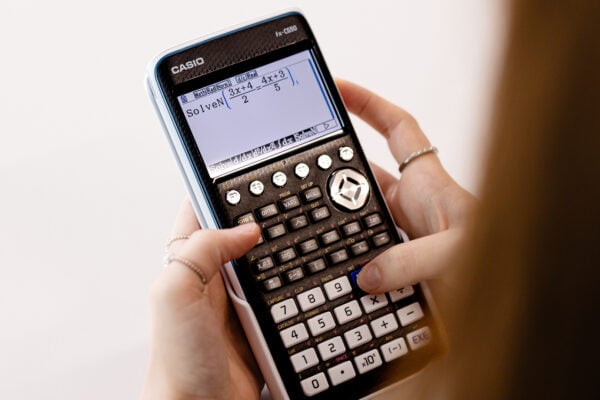
The fx-CG50 graphic calculator remains a trusted tool in maths classrooms. With the introduction of the fx-CG100, many departments are making a gradual transition between these devices.
In this blog, we look at the value of familiarity in learning and how the fx-CG100 serves as a natural next step forward from its predecessor.
A device students can rely on
For many students, the fx-CG50 isn’t just a calculator, it’s a vital learning tool they’ve used consistently throughout their GCSE or A-level maths studies. That familiarity can make a real difference to how confidently they approach their work, particularly under time pressure in exams.
In the classroom, this tends to show up in small but important ways. Students who are comfortable with their calculator can move more easily between tasks, check their answers with confidence and focus on the maths, rather than how to use the device.
As new technology is introduced, that sense of continuity is vital. Familiar tools help create a more settled learning environment, giving students the confidence to engage more fully with their work.
Why familiarity supports better mathematical thinking
When students are confident using their calculator, it frees up mental space for what really matters: doing the maths.
This is especially noticeable in tasks that involve multiple steps. For example, when working with graphs, students who are familiar with the fx-CG50 can quickly enter functions, adjust the viewing window and identify key features such as intercepts or turning points. That fluency keeps their focus on interpretation rather than operating their calculator.
The same applies when checking solutions or exploring functions. Moving between algebraic and graphical methods becomes more seamless, allowing students to test ideas and build confidence in their answers.
A sense of familiarity can also support exploration and investigation. In topics like transformations or sequences, for example, students can make changes and immediately see the effect, helping them spot patterns and deepen their understanding.
In assessments, this confidence becomes even more valuable, helping students work efficiently and think more clearly under pressure.
A seamless step forward
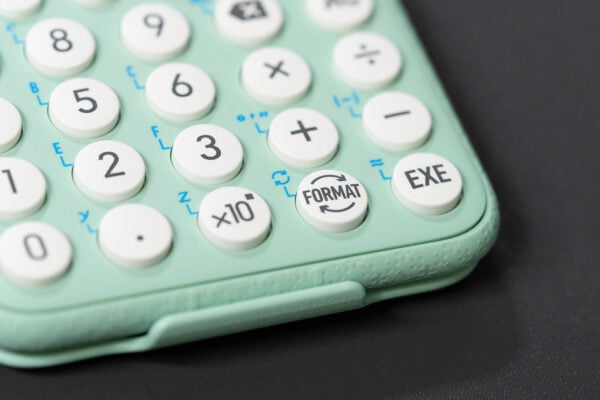
Alongside the continued use of the fx-CG50, more departments are now beginning to introduce the fx-CG100 into their classrooms.
Teacher feedback has told us that the transition has generally been smooth and straightforward. This is largely due to the handset’s intuitive design, as well as its ClassWiz-style interface, which will feel familiar to anyone who has used a ClassWiz scientific calculator.
This means students spend less time learning how to use a new device and more time applying its functionality in their work.
For teachers, familiarity helps maintain the flow of lessons. Core tasks such as graphing, working with tables and analysing functions follow intuitive steps, allowing existing approaches to carry across without major adjustments.
The fx-CG50 and fx-CG100 are both reliable, effective tools that support the same goal: helping students work more efficiently and apply their mathematical knowledge to problems.
Support when you need it
If you’re continuing with the fx-CG50, we’ve just launched a new on-demand training module designed to help you get even more from it. It’s practical, easy to dip into, and focused on the features that support teaching, learning and exam preparation.
As you begin to introduce the fx-CG100, we also offer departmental training and webinars to support a smooth transition – helping you build confidence with both models.