Back to Main Menu




Mocks and exam tip: practical tips from a teacher

As exam season approaches, the focus in classrooms turns to technique, confidence and performance under pressure.
In this blog, James Davis, Head of KS5 Further Mathematics at Newstead Wood School, shares the habits and strategies he uses to prepare students for exams.
Treating mocks like the real thing
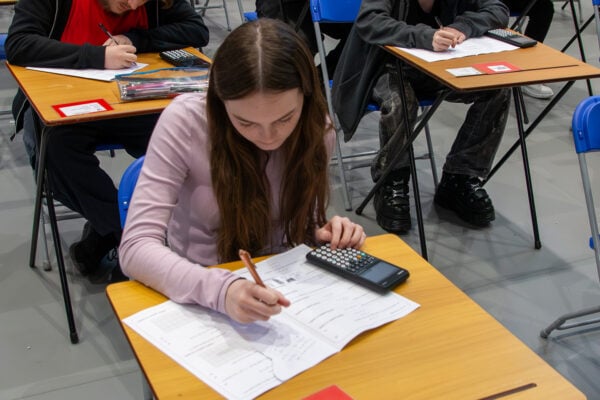
With his year 11 and year 13 classes in the middle of their second round of mocks, James makes a deliberate effort to replicate the real examination experience as closely as possible.
Students sit full papers under exam conditions, not just to generate a grade, but to practise the pacing, focus and decision-making required when they do the real thing in the summer.
Because the experience mirrors the actual exams so closely, the feedback and takeaways have more weight. James finds that this approach gives students a clearer sense of where they stand. While mock results aren’t a guarantee of final outcomes, they can provide a strong indication of progress and, importantly, a boost in confidence when there’s clear improvement.
“When students see in their grades that the work they’re putting in is paying off, that can really build belief,” James said.
At this point in the year, there’s a clear focus in James’ lessons on refinement rather than new content. The emphasis is on practising exam questions, reviewing responses and getting fully comfortable with the demands of a complete paper.
Precision under pressure: mark schemes, method and presentation
Alongside regular exam practice, one area James is placing particular emphasis on this year is precision, especially when it comes to working with mark schemes.
His students complete exam questions, then spend time going through the mark scheme in detail. This allows them to check not just whether they reached the correct answer, but whether they’ve written exactly what’s needed to secure maximum marks.
“It’s something I’m reminding them about all the time,” James said. “Have you actually written the lines and provided the details that get you the method marks?”
This encourages students to think more carefully about how they present their reasoning. With topics like statistics in particular, they need to remember the importance of how they word their answers.
Presentation plays a role too. James works with his classes on simple but important habits, like aligning equals signs clearly down the page, keeping working in a logical flow and avoiding scattered steps that are difficult for an examiner to follow.
“The examiner’s got to be able to follow the solution,” he said. “They’re not just looking for the answer. They’re looking for the method to get there, and it’s easy for students to forget that.”
By embedding this attention to detail into everyday lessons, students begin to understand that exam success isn’t just about knowing the maths, but about showing their understanding clearly under pressure.
Supporting students beyond the classroom
As well as building positive routines into lessons, you might want to point your students towards additional support available outside the classroom.
During exam season, Casio regularly hosts free GCSE and A-level revision webinars designed specifically for students, which focus on how calculator functionality can be applied to exam-style questions.
These sessions could help to reinforce the positive habits you’re already encouraging in lessons, such as working methodically and thinking carefully about the information and outcomes exam questions are asking for.
Students can get all the information they need and sign up for forthcoming events on our webinars page.